This talk idea comes partly from my experience working remotely with a company abroad, and from comments and advice that came up in dailies and chats with friends and colleagues. I’ll talk about my experience, what I did, and what worked for me—don’t take it as gospel 😅 My IT career started in February 2020 at a startup here in Córdoba where I only went to the office for two weeks before locking myself at home. I spent a year and a half running nonstop, sleeping little, and earning myself a burnout from not knowing when to stop. On top of that, I started teaching programming (thanks Docta for the support) and landed my first job for a US company.
👉 Now let’s break it down, as Jack would say:
How did I land a US job with so little experience? It was a combination of things:
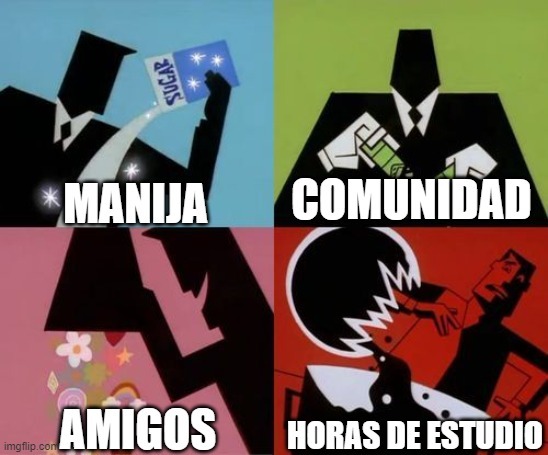
- Drive -> I’m “lucky” that I inherited my mom’s habit of studying and sitting for hours researching and reading, which let me learn a lot in a short time.
- Community/friends: I got involved in communities where I did projects and learned from peers. Friends also shared opportunities, encouraged me, and recommended me to find work. HEADS UP -> this doesn’t mean you’ll land remote work just because someone recommends you.
- Study and practice. Even while working, I kept doing personal projects, joined hackathons, and teaching a programming course let me revisit basic JavaScript concepts and technical vocabulary that’s key in interviews (from my point of view)
Let’s talk about remote work
Remote work is increasingly common because more people want flexible work hours, and “thanks” to the pandemic more companies are adopting this model.
PROS AND CONS OF REMOTE WORK
✅ Flexible work hours and locations often increase productivity and performance. ✅ Lets you travel and work from anywhere in the world and become a digital nomad, creating your own schedule. ✅ You don’t commute every day—you save money and time. ❌ Bad internet, lots of background noise, a not-so-great computer, and no IT support from the company can ruin your day. ❌ Without fixed hours and a dedicated workspace, we can be more prone than others to procrastinate, get distracted easily, and not use time efficiently.
NOW, WHAT YOU CAME FOR
First, be clear about what you want to do and build a plan from there. In my case, remote work is because I want to travel and keep doing what I love.
Luck obviously plays an important role in any job search, but these points can help show your skills to potential employers when you don’t have much experience yet.

Know your weak spots
I’m terrible at algorithms, and in several interviews I had to do a technical challenge with logic problems, algorithms, and so on. If we know where we fall short, we can improve.
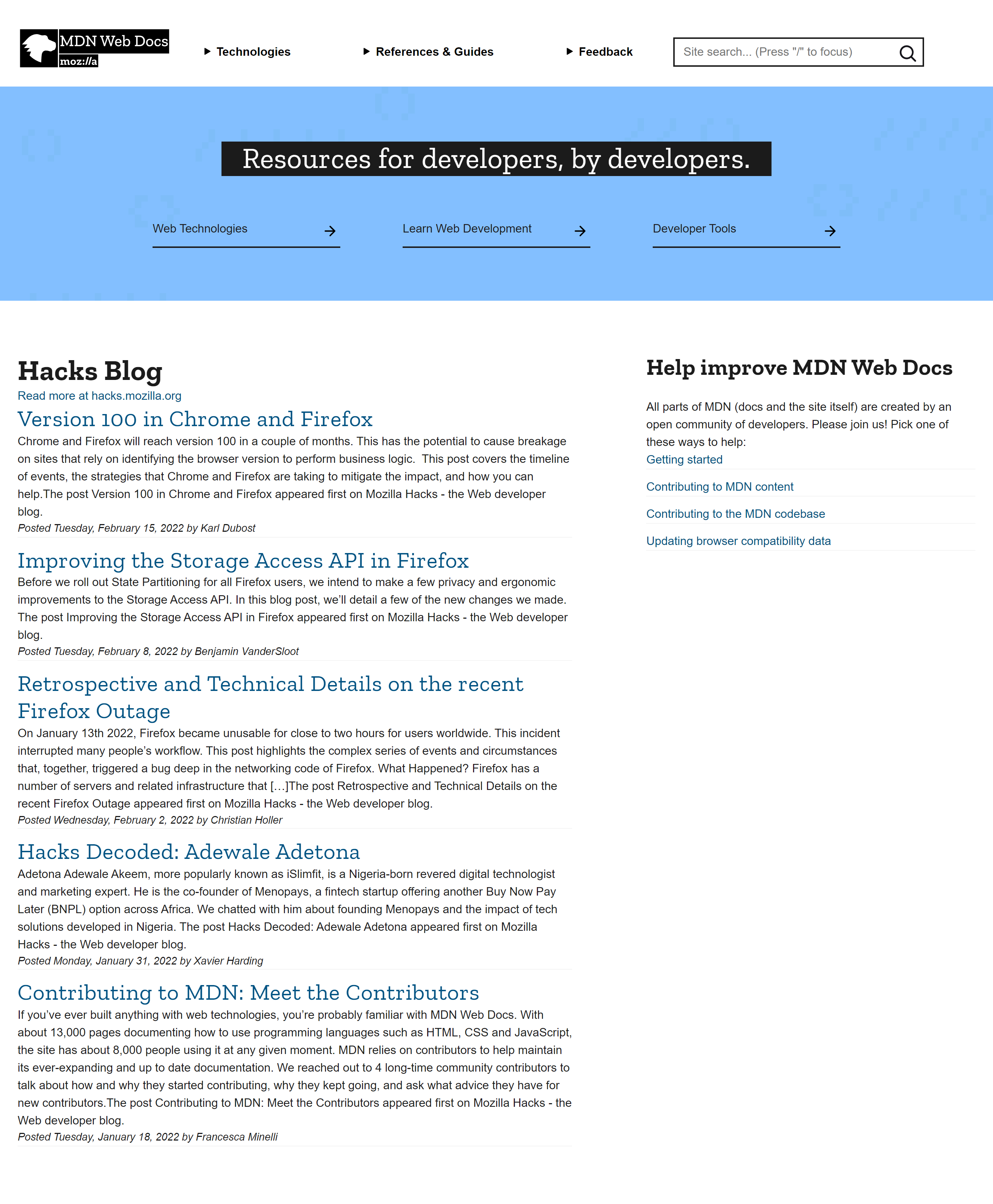
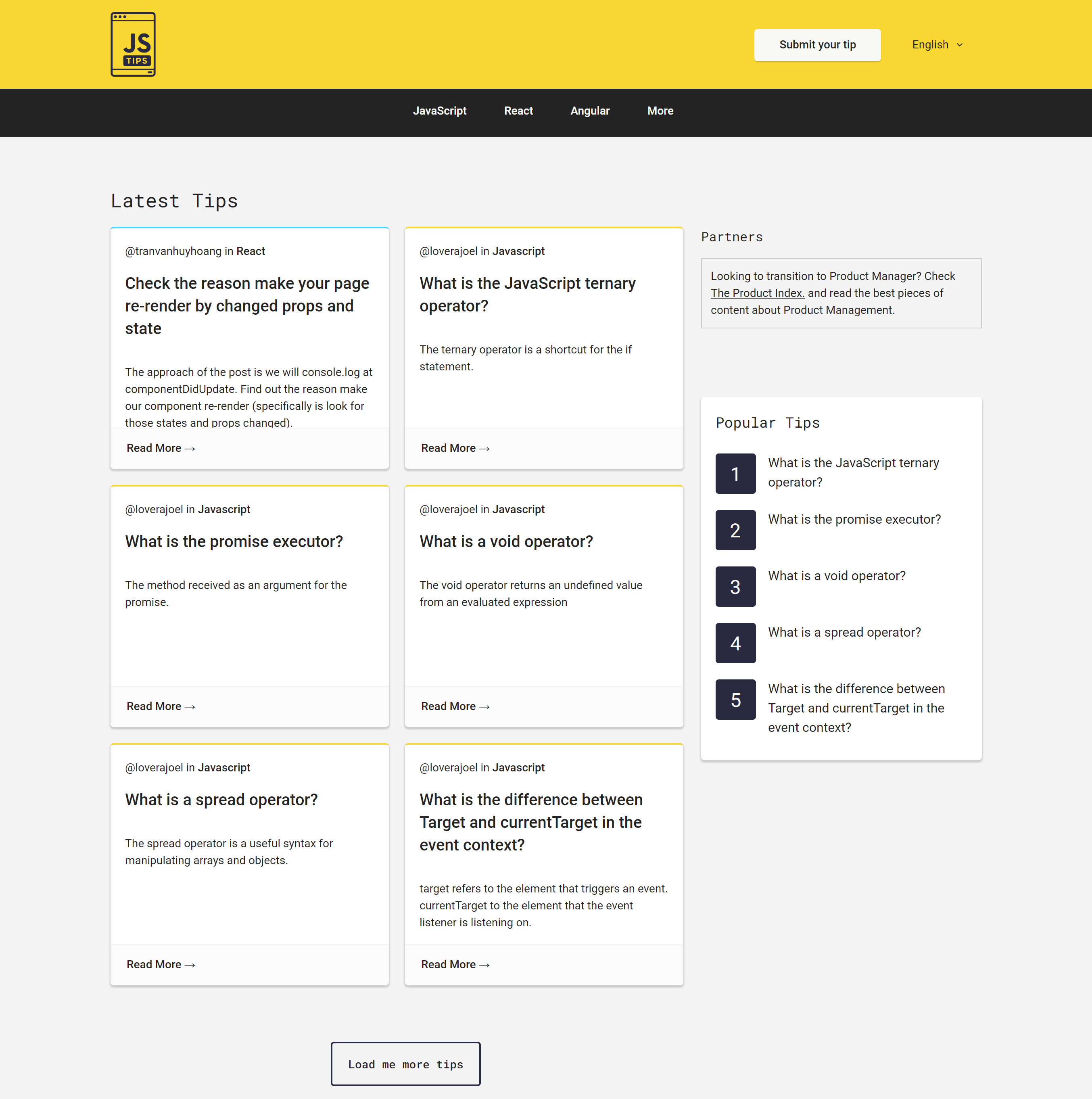
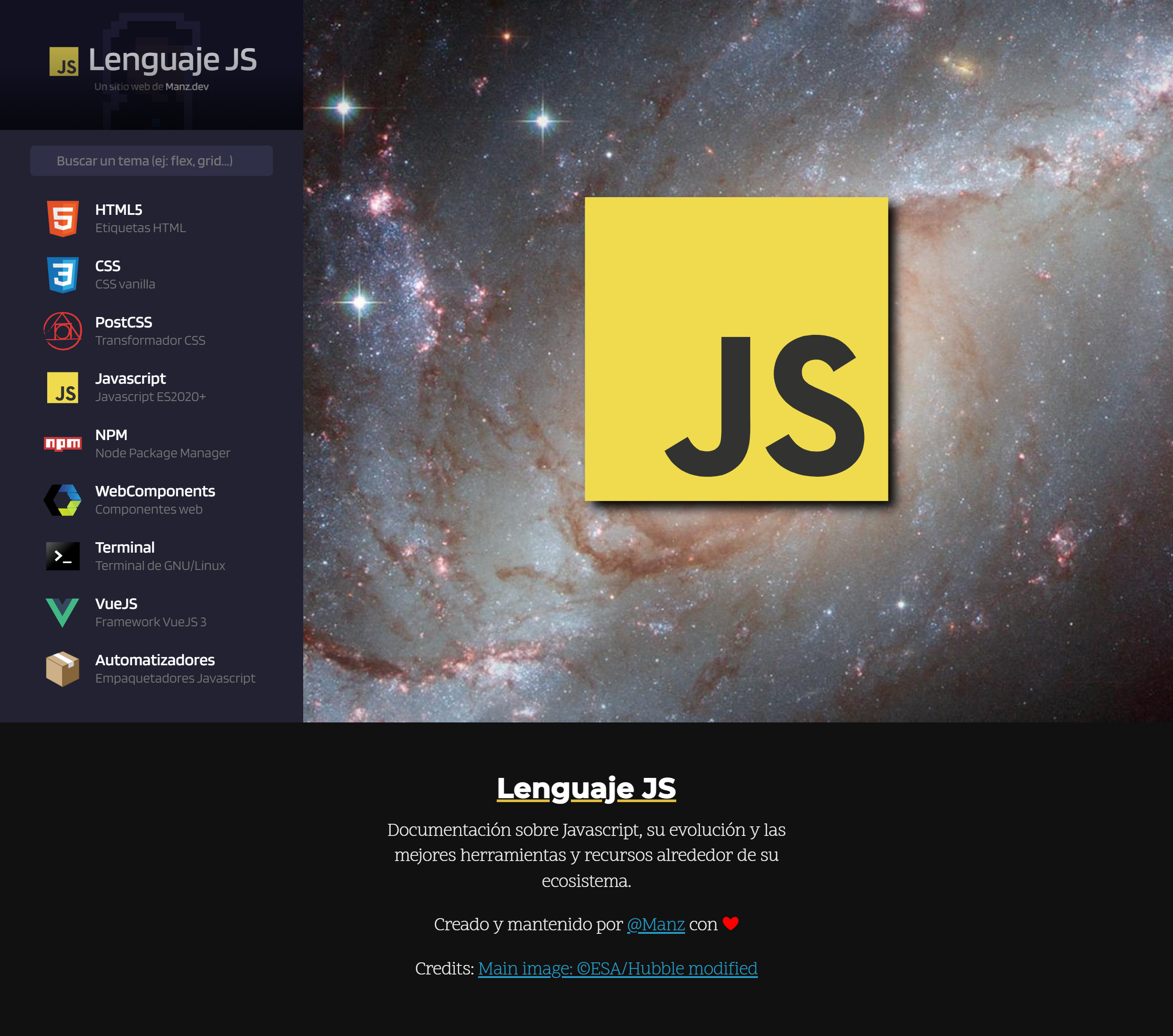
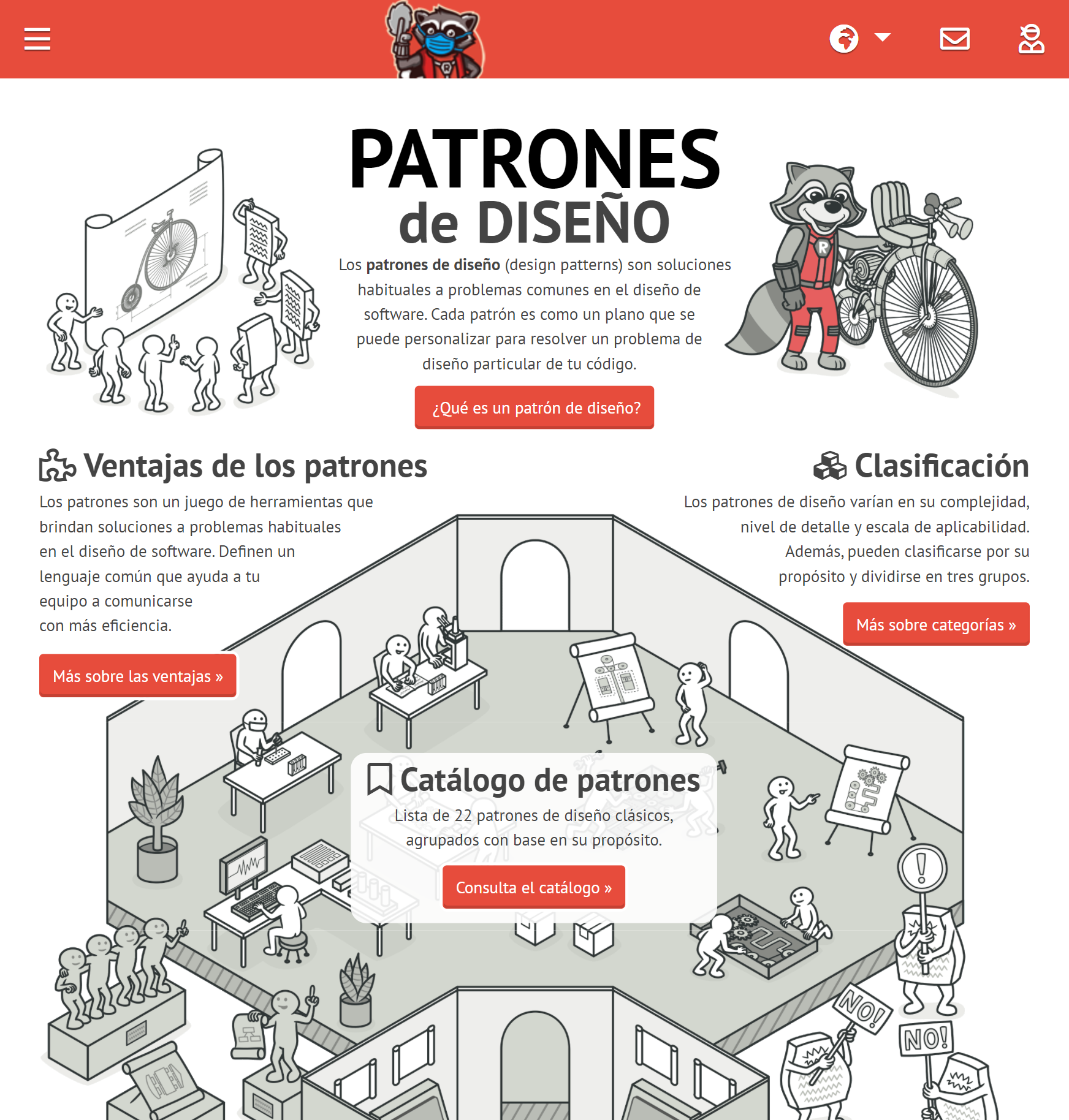
Here are some sites where you can practice 😉
Review concepts
We know we don’t recite programming concepts every day, but having clear definitions helps a lot. It doesn’t have to be ultra-technical vocabulary—as long as you can express it simply or explain it to someone else, that’s enough.
Get known
For me, the best approach is having a GitHub with cool personal projects where you learned and struggled—so you can show them in interviews and tell those stories.
It also lets devs at companies you apply to see your code ahead of time and shows your learning process.
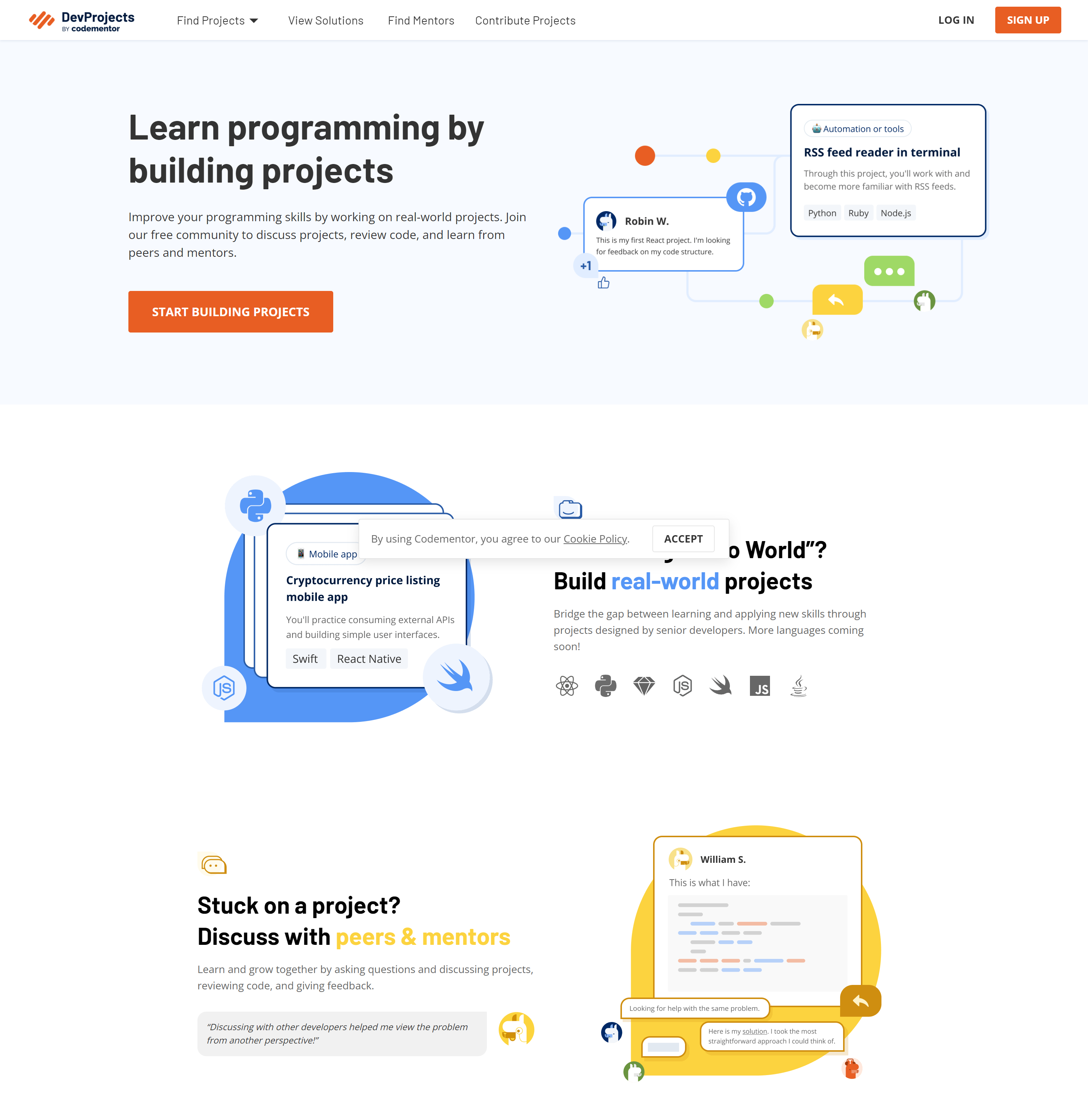
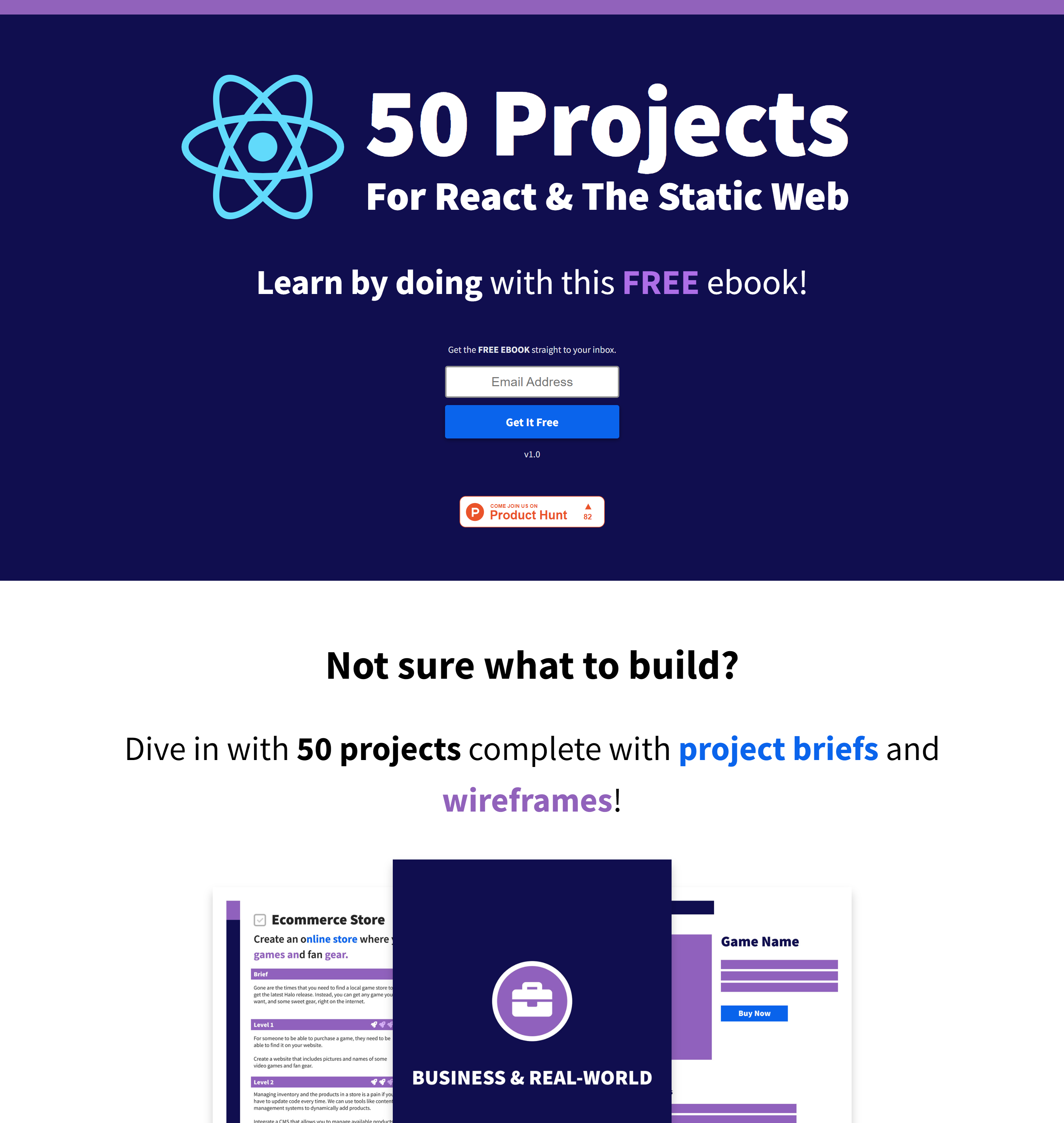
👉 You can find ideas here:
On LinkedIn you can create your own profile where you put your work history, highlight your skills, and summarize your achievements and past experience.
A good way to stand out is sharing any articles you’ve written and other interesting, informative content. Participating on Discord with other people and communities is also a good way to network.
Contribute to open source
At first, when we don’t have much experience, it can feel hard or even embarrassing to jump into someone else’s repository—but many recruiters pay attention to this. We can start with small contributions, like fixing grammar and typos or creating/translating documentation for projects that lack it. That shows we communicate well and collaborate with other developers remotely and asynchronously to solve a problem. And it’s all public.
👉 You can find a guide on how to get started here:
Gain experience working remotely
This isn’t 100% necessary, but freelance work helps a lot when looking for stable contractor work, compared to someone without that experience and know-how.
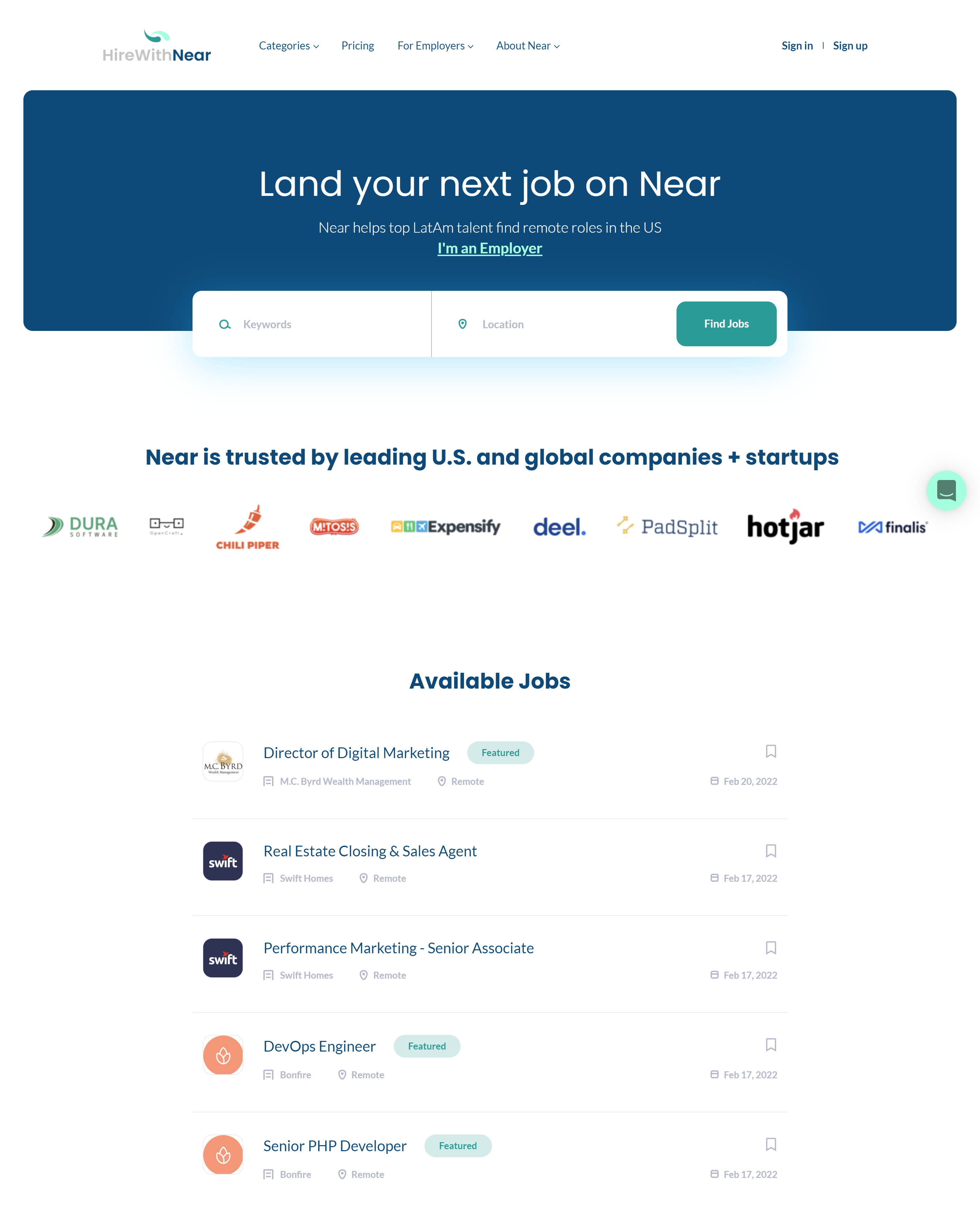
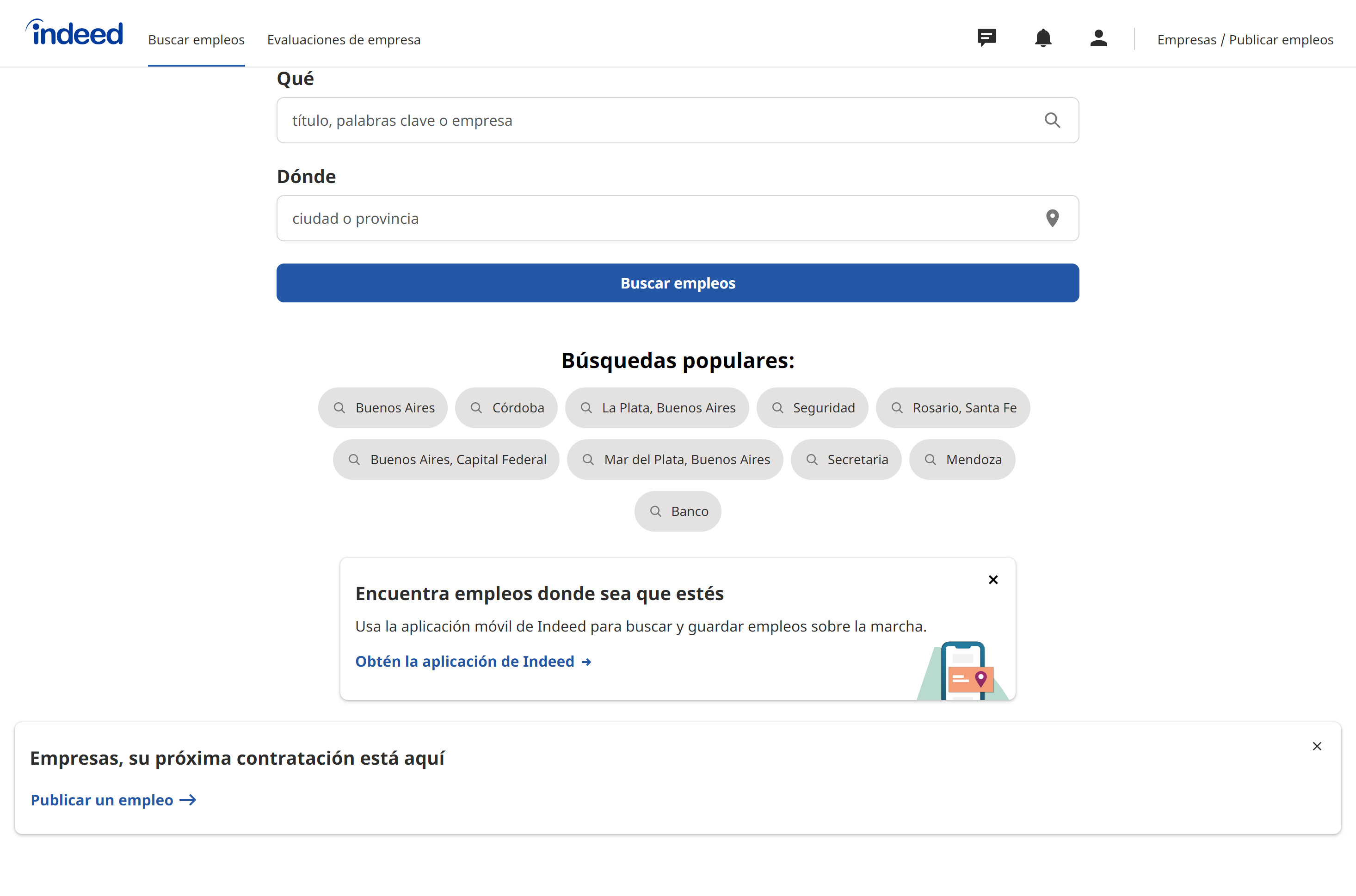
Where to find companies that hire remotely?
I always ask friends if the companies they work at are hiring, what their experience was like, and what stack they use. I also tried other sites where you can find options in different countries, not just the US.
You can find this whole post as a talk here:
So if you’re just starting out and want to gain experience, or you want to make the jump to remote work—go for it. I hope this post helps 😁
Originally published on DEV Community.